
India’s manufacturing sector is entering its biggest growth phase in decades. From food processing to EV components, new-age factories are scaling faster than ever—driven by demand, government support, and global supply shifts.
If you’re planning to start a business in 2026, manufacturing is no longer a risky bet—it’s a high-growth opportunity.
Industrial manufacturing remains one of the most powerful engines of economic growth. Today, the sector is not just about production—it is about innovation, automation, sustainability, and global competitiveness.
With rising domestic demand, government support, and shifting global supply chains, manufacturing is entering a new phase—creating strong opportunities for entrepreneurs, startups, and investors.
The manufacturing sector is undergoing a transformation driven by technology, sustainability, and localization.
Recent industry developments show:
This shift is creating new opportunities across both traditional and emerging sectors.
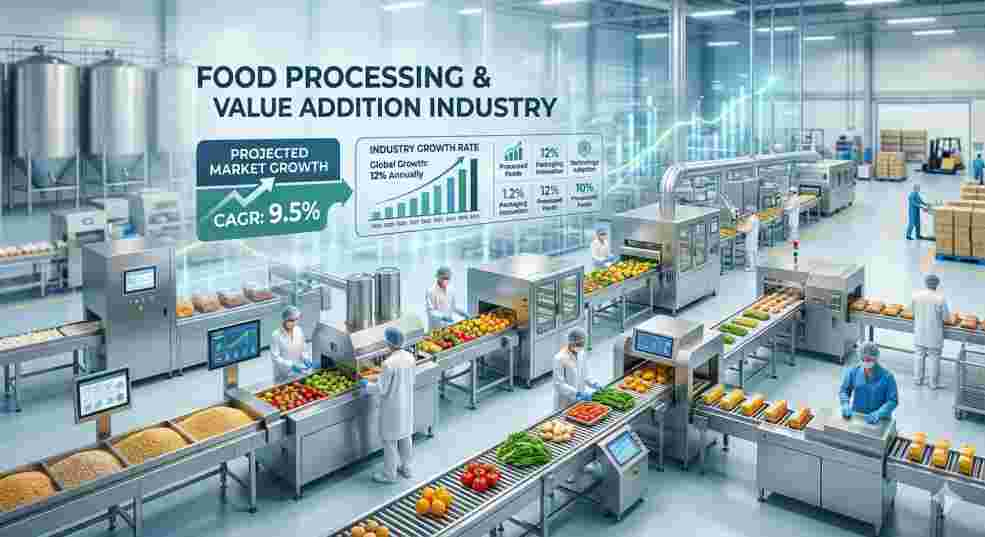
Demand for processed and packaged food is increasing due to changing lifestyles and urbanization.
Opportunities include:
Current Trend:
Food manufacturing is seeing strong domestic demand growth, especially in convenience and health segments.
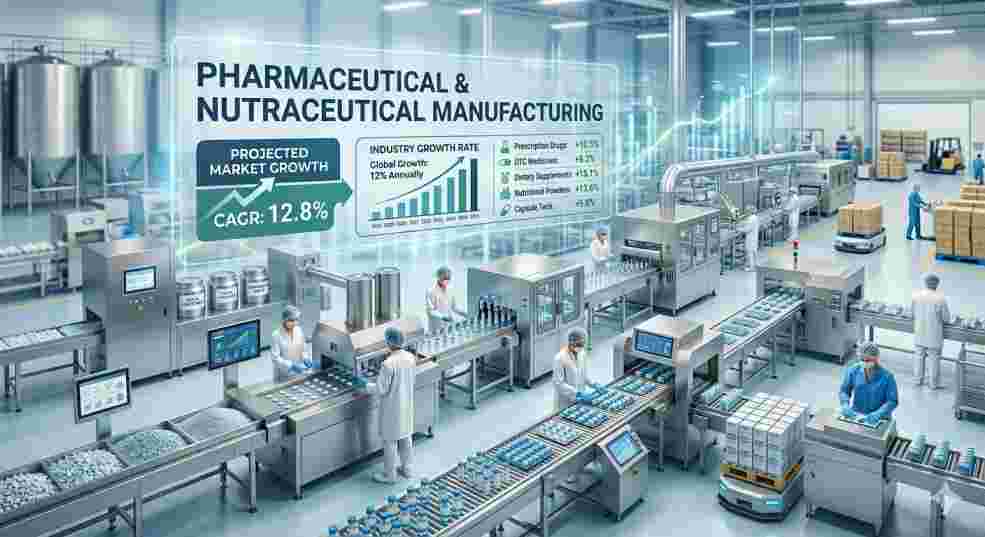
Healthcare and wellness industries are expanding rapidly.
Opportunities include:
Current Trend:
Preventive healthcare and wellness products are driving consistent growth in this sector.
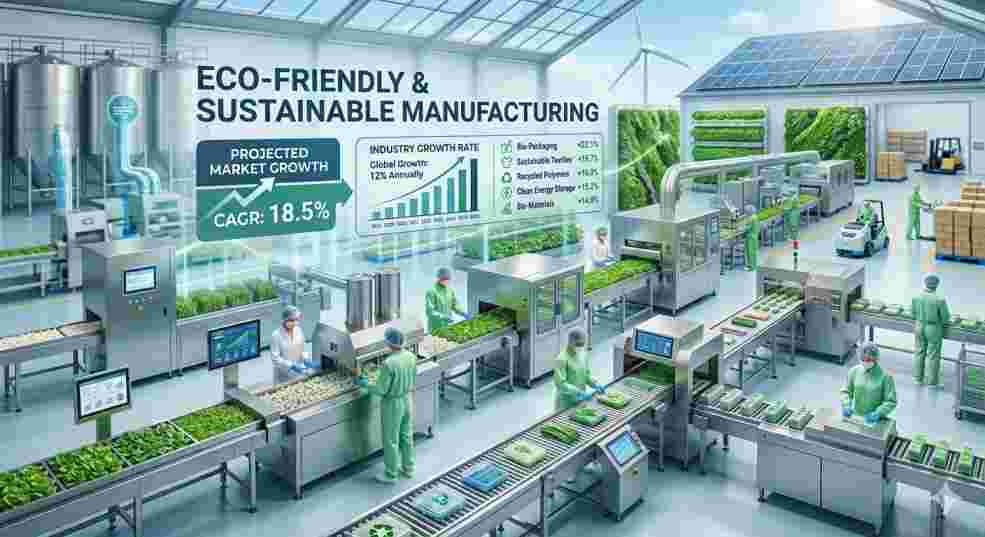
Sustainability is one of the biggest drivers of modern manufacturing.
Opportunities include:
Current Industry Example:
Global manufacturers are investing heavily in petrochemicals and eco-materials to reduce import dependency and support local production ecosystems.
This is a high-margin B2B segment with wide industrial applications.
Opportunities include:
Current Trend:
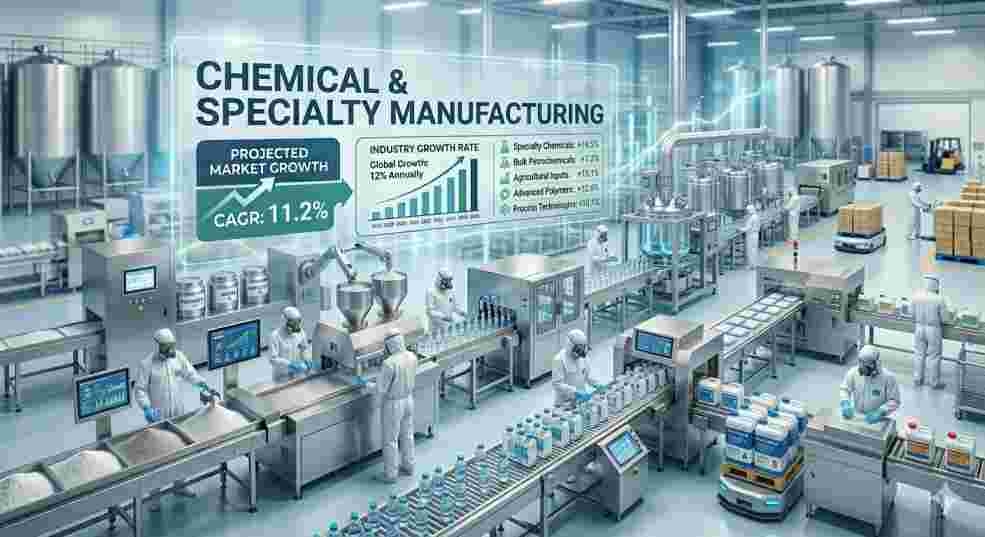
Demand for specialty chemicals is rising due to expansion in food, pharma, and FMCG industries.
Agriculture-linked manufacturing offers strong raw material advantages.
Opportunities include:
Current Trend:
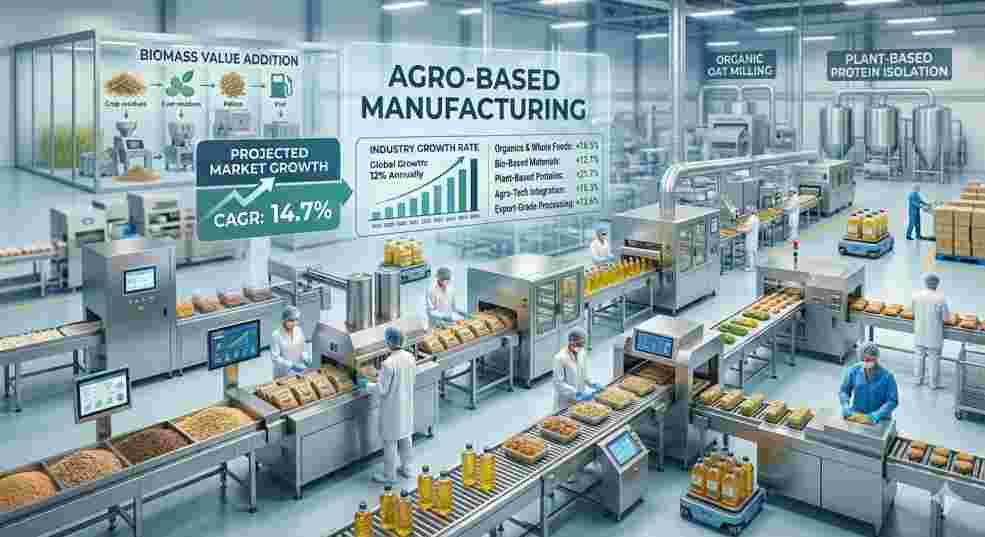
There is a strong push towards value-added agricultural products and rural industrialization.
The automotive sector continues to be one of the largest manufacturing segments.
Opportunities include:
Current Industry Example:
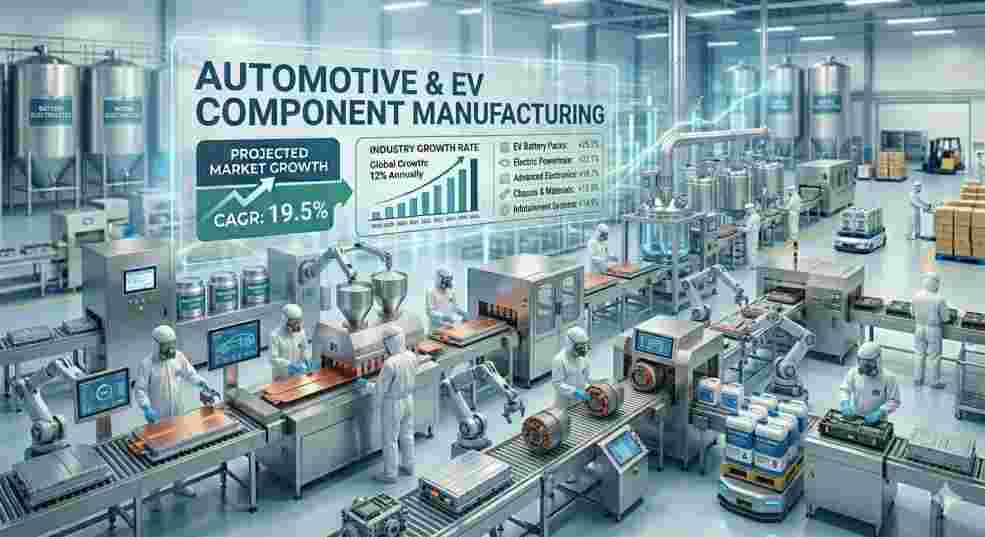
Automotive manufacturing has reached record production levels, showing strong capacity expansion and demand recovery in recent years.
Packaging is a backbone industry supporting all sectors.
Opportunities include:
Current Trend:
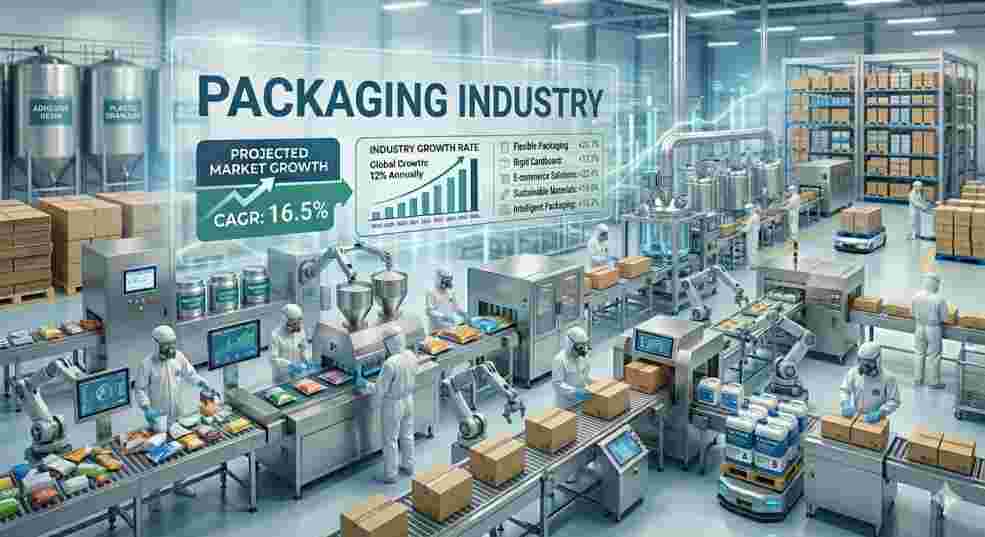
Growth in e-commerce and retail is driving continuous demand for innovative packaging.
Manufacturers are investing heavily in:
Over 80% of companies are now prioritizing smart manufacturing to improve efficiency and scalability.
Companies are increasingly focusing on:
This is creating massive opportunities for new manufacturing units.
Industries are moving toward:
Clean technology manufacturing is attracting billions in investments globally.
Global disruptions have led to:
India is emerging as a key alternative manufacturing destination.
While automation is increasing, there is still:
Before entering this sector, consider:
Industrial manufacturing is no longer a traditional business—it is a future-driven, technology-enabled opportunity.
The biggest winners in this space will be those who:
With the right approach, manufacturing can become one of the most profitable and long-term wealth-generating business models.
Industrial manufacturing opportunities refer to starting production-based businesses in sectors like food processing, pharmaceuticals, chemicals, packaging, and automotive components where demand is high and scalability is strong.
Some of the most profitable manufacturing businesses in India include:
These sectors have high demand, repeat customers, and strong margins.
Best small-scale manufacturing businesses include:
These require low to moderate investment and have quick market entry.
Investment depends on the type and scale of business:
You can start small and scale gradually with increasing demand.
Yes, manufacturing businesses are highly profitable in 2026 due to:
Sectors like EV, sustainable products, and food processing are growing rapidly.
Fastest-growing manufacturing sectors include:
These sectors are driven by global trends and consumer demand.
Common licenses include:
Requirements vary depending on the industry.
Yes, many manufacturing businesses can be started with low investment such as:
Starting small and scaling later is a common strategy.
Yes, government offers:
These reduce financial burden and encourage new businesses.
No. 401, Pushpak Business Hub, Wakad, Pune, MH 411057
Terms & Conditions | Privacy Policy | Cookie Policy | Disclaimer | © Meticulous Business Plan 2026
Powered by MappedSkills Marketing


2 Responses
The 2026 manufacturing surge isn’t just about ‘making things’—it’s about a massive policy pivot where the government is effectively co-investing in your factory through the ₹10,000 crore SME Growth Fund and expanded PLI schemes, making ‘localization’ the most profitable strategy for Indian entrepreneurs this decade.
Absolutely – and the real opportunity lies in understanding how to leverage that shift, not just acknowledging it.