

₹59,000.00
Build a Plant-based Beverages and Products Manufacturing line with a bank-ready DPR or fund-ready Business Plan—market & pricing, material routes, process/ops design, compliance/claims guidance, and 5-year financials. Delivery: 12–15 working days.
📄 Download Free Sample Report →
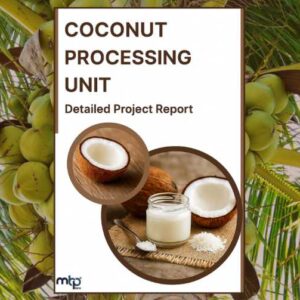
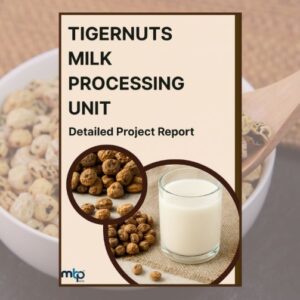
Plant-based beverages and products manufacturing refers to the production of non-dairy food and beverage alternatives derived from plant sources such as soy, almond, oat, rice, coconut, tigernut, pea, and other legumes, cereals, nuts, and seeds. These products are designed to replace conventional dairy and animal-based foods while offering comparable nutrition, improved digestibility, and clean-label appeal. Plant-based beverages play a critical role in modern food systems due to rising health awareness, lactose intolerance, veganism, and sustainability concerns.
Plant-based beverages and products are broadly classified based on raw material and application. By raw material, they include soy-based, almond-based, oat-based, coconut-based, rice-based, pea-based, and mixed-plant formulations. By product category, they include plant-based milk, flavored beverages, yogurt alternatives, creamers, protein drinks, ready-to-drink nutrition beverages, desserts, and functional fortified products. These products are widely used as direct beverages, dairy substitutes in cereals and coffee, ingredients in bakery and confectionery, and bases for fermented and functional foods.
The manufacturing process typically involves raw material cleaning and soaking, wet grinding or extraction, filtration, enzymatic treatment (where required), homogenization, pasteurization or UHT processing, fortification, and aseptic packaging. Advanced technologies such as ultra-high-pressure homogenization, enzymatic hydrolysis, continuous thermal processing, and aseptic filling systems are used to improve mouthfeel, stability, nutritional availability, and shelf life. Strict quality control and formulation standardization are essential to ensure taste consistency and regulatory compliance.
Plant-based beverages are extensively consumed in health and wellness markets, foodservice, retail, nutraceuticals, and sports nutrition segments. India is emerging as a high-growth market due to increasing urbanization, rising disposable incomes, growing vegan and flexitarian populations, and expanding organized retail. Globally, demand is driven by environmental sustainability goals, animal-free diets, and innovation in alternative protein and beverage technologies.
Growth Driver
Market Size & Outlook
Global Market
India Market
Industry & Market
Demand from health-conscious consumers, lactose-intolerant segments, fitness community, schools, corporates, cafés.
Market segmentation: Almond, Oat, Soy, Coconut, Peanut, Rice, Millet-based beverages.
Trends: clean-label, fortified, sugar-free, high-protein, kids’ nutrition, barista-grade products.
Pricing bands & competitor mapping across D2C brands, FMCG players, and regional startups.
Volume & value opportunities in retail, foodservice, HORECA, institutional, and exports.
Positioning & Product Routes
Plant-Based Beverages Portfolio:
Almond milk, soy milk, oat milk, coconut milk, peanut milk, millet milk.
Flavoured options (chocolate, vanilla, coffee, jaggery-based).
UHT / long-life beverages.
Value-Added Product Routes:
Plant-based yoghurt, probiotic drinks, creamers, smoothies, curd, coffee mixes.
High-protein fortified blends for fitness & nutrition.
Barista blends for cafés and QSRs.
Emerging Product Innovations:
Fermented plant beverages
Ready-to-drink functional beverages
High-fibre, low-calorie formulations
Kids-friendly fortified variants
Technical & Operations
Detailed technical coverage:
Raw material selection (nuts, grains, pulses, seeds).
Cleaning → soaking → milling → extraction → filtration → homogenization → pasteurization/UHT → formulation → filling → packing.
Optional fermentation module (for yoghurt/probiotic drinks).
Machinery: blenders, colloid mills, homogenizers, UHT units, pasteurizers, fillers, chillers.
Utilities: steam, chilled water, compressed air, electricity, water treatment, cold rooms.
Plant layout, hygiene zones, production flow, and manpower planning.
QA/QC & Specifications
Physico-chemical parameters: protein %, solids, Brix, viscosity, acidity, colour.
Microbial tests: TPC, coliform, yeast/mould (critical for beverages).
Allergen management & protein stability checks.
Shelf-life testing: sedimentation, separation, syneresis, thermal stability.
Packaging integrity (PET, glass, aseptic, pouches).
Batch traceability, documentation, and lab SOPs.
Compliance & Claims
FSSAI plant-based food regulations and licensing requirements.
Mandatory labeling: allergen warnings, nutritional table, ingredient list.
Claims guidance:
“Vegan”, “Lactose-Free”, “High-Protein”, “Clean-Label”, “Fortified”.
Evidence expectations: test reports, stability data.
HACCP, GMP, ISO 22000 guidelines.
Export documentation basics (GCC, Southeast Asia, Africa markets).
Sustainability and environmental claim norms.
Financial Model (5 Years)
Capex–Opex breakup by processing sections (extraction, homogenization, UHT, filling, cold chain).
Raw material cost tables (almond, oat, soy, coconut, millet inputs).
Packaging cost scenarios (aseptic vs. PET vs. glass).
Throughput & yield assumptions for different beverages.
Break-even analysis, EBITDA, cash flow & ROI.
Sensitivity analysis: raw material prices, utility tariff changes, selling price shifts.
Implementation Plan
Vendor framework: machinery, utilities, packaging suppliers, automation partners.
Procurement → installation → commissioning timeline.
Trial runs, stability tests & pilot batch documentation.
KPIs: OEE, yield %, wastage %, QC pass/fail rates.
SOP framework for operations, food safety, maintenance, cleaning, homogenization parameters.
Governance checklist for audits, certifications, and process discipline.
Is plant-based beverages manufacturing a profitable business?
Yes. Strong global demand for dairy alternatives and functional beverages ensures sustained long-term growth.
What are the major end-use segments?
Retail beverages, dairy alternatives, cafés, bakery, nutraceuticals, sports nutrition, and export markets.
Are bank loans and funding options available?
Yes. The project reports are structured to support MSME loans, term loans, and investor funding proposals.
What approvals are required?
FSSAI registration, factory license, food safety compliance, labeling regulations, and pollution control approvals are required.
No. 401, Pushpak Business Hub, Wakad, Pune, MH 411057
Terms & Conditions | Privacy Policy | Cookie Policy | Disclaimer | © Meticulous Business Plan 2026
Powered by MappedSkills Marketing