

Meticulous Business Plans (MBP) is a global professional business planning company that has delivered more than 5000 reports across the globe.
Our Expert’s team is working on the project of setting up a frozen fruits & vegetables processing unit, one of the most important segments within the food additives and specialty chemicals industry and the team has prepared Business Planning Reports on the title.
MBP expert’s team has studied the market for awareness, demand, and supply of frozen fruits & vegetables processed products, and wanted to share some helpful information about the project.
Frozen fruits and vegetables processing refers to the industrial preservation of fresh fruits and vegetables through rapid freezing techniques that lock in natural freshness, color, texture, nutritional value, and shelf life. Unlike conventional preservation methods such as drying or canning, freezing maintains the original cellular structure of produce to a large extent, ensuring minimal loss of vitamins, minerals, and sensory qualities.
Frozen fruits and vegetables are widely used across households, food processing industries, horeca (hotels, restaurants, catering), ready-to-eat meals, bakery, dairy, and export-oriented food supply chains.
The frozen processing of fruits and vegetables typically begins with sourcing fresh, mature produce directly from farms or aggregation centers. Commonly processed fruits include mango, strawberry, blueberry, pineapple, banana, papaya, apple, and berries, while vegetables include peas, sweet corn, broccoli, carrot, beans, spinach, cauliflower, and mixed vegetables. The processing workflow includes washing, sorting, grading, peeling, cutting or slicing, blanching (for vegetables), rapid freezing, packaging, and cold storage. Freezing is carried out using technologies such as Individual Quick Freezing (IQF), blast freezing, or cryogenic freezing, depending on product type and intended application.
Technological advancement plays a critical role in frozen food processing. IQF technology is the most widely adopted system, as it allows rapid freezing of individual pieces at very low temperatures, preventing ice crystal formation and preserving texture. Modern processing units also integrate automated grading systems, optical sorters, metal detectors, and hygienic packaging lines to meet stringent food safety and export standards. Cold chain infrastructure, including pre-cooling, frozen storage, refrigerated transport, and temperature-controlled distribution, is essential to maintain product quality throughout the supply chain.
Frozen fruits and vegetables are extensively used in packaged foods, frozen meals, bakery and confectionery, dairy products, baby food, smoothies, sauces, and functional food formulations. Increasing urbanization, changing lifestyles, rising working population, and demand for convenience foods have significantly accelerated the adoption of frozen produce. Additionally, frozen processing helps reduce post-harvest losses, stabilize prices for farmers, and enable year-round availability of seasonal produce.
India holds a strong strategic position in frozen fruits and vegetables processing due to its large agricultural base, diverse crop availability, and growing cold chain infrastructure. The government’s focus on food processing, agri-export zones, and cold storage development has further supported industry growth. Globally, frozen fruits and vegetables are witnessing increasing demand due to rising consumption of ready-to-cook foods, expansion of organized retail, and growing export trade in value-added food products.
Frozen fruits and vegetables processing units must comply with food safety and quality regulations. In India, FSSAI licensing is mandatory for food-grade production, along with pollution control approvals, factory licensing, and compliance with hygiene and cold storage standards. Export-oriented units must also adhere to international standards such as HACCP, ISO 22000, BRC, and country-specific import regulations. Strict temperature control, traceability, and quality testing are essential to ensure safety and market acceptance.
With growing emphasis on nutrition, convenience, and food security, frozen fruits and vegetables processing has emerged as a critical segment within the modern food processing industry. The sector offers scalable opportunities for agri-entrepreneurs, food processors, exporters, and integrated cold chain operators, provided the business is executed with the right technology, supply chain planning, and quality compliance.
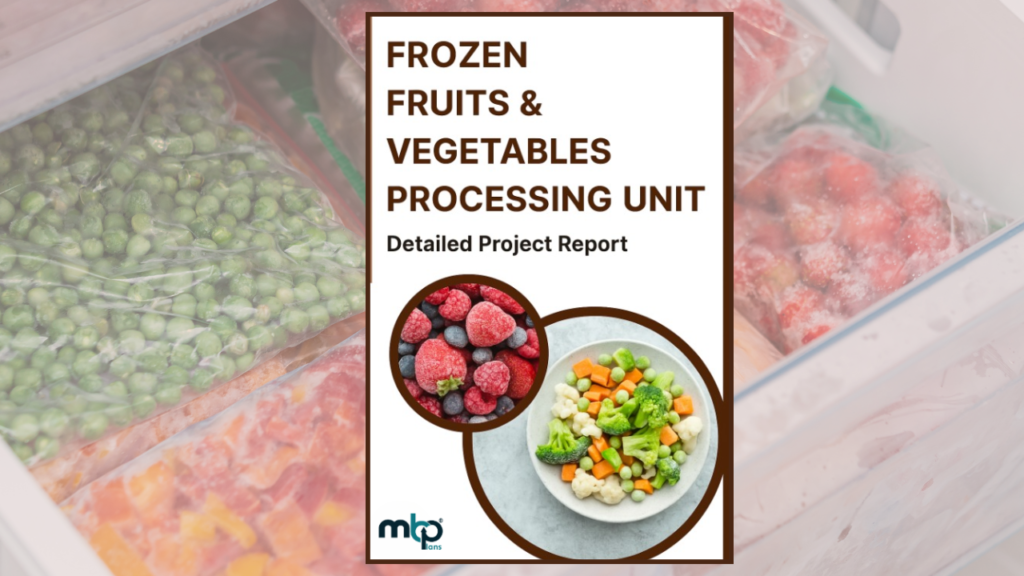
In these reports, we have analysed and explained the business opportunity for frozen fruits & vegetables processing unit, and it can become a profitable and sustainable business if executed with proper planning, technology selection, and market strategy.
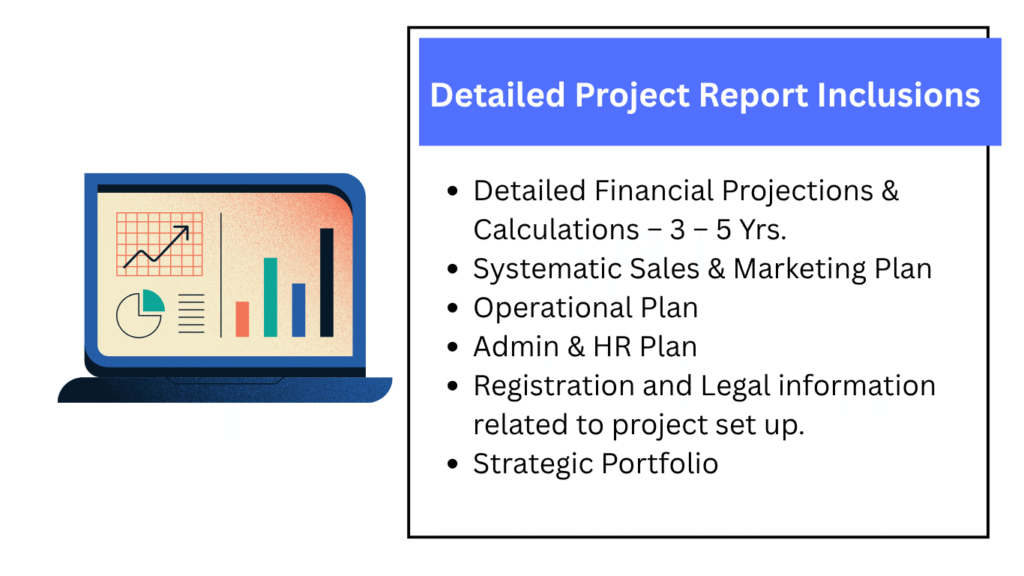
The Business Planning Reports on frozen fruits & vegetables processing unit will help you in understanding the Industrial Overview, Market Feasibility, Technical Feasibility, Legal Feasibility, Sales Feasibility, Infrastructure Feasibility, etc. Also, emphasis on Market Position, Demand, Market Size, Statistics, Market Dynamics and Trends. These reports provide a comprehensive business feasibility analysis; Types of Business Models, and Business Plan, which helps you to decide to start up a business.
Meticulous Business Plans (MBP) is global professional business planning company and delivered more than 5000 reports across the globe.
We have experience in working with clients from US, Europe, UK, Middle East, Africa & APAC.
Our team have fair understanding of global market across the industry & domain.
The world has become highly digitalized and information is available from multiple sources and this has created confusions about authenticity of the information and also it is not available at one place.
No. 401, Pushpak Business Hub, Wakad, Pune, MH 411057
Terms & Conditions | Privacy Policy | Cookie Policy | Disclaimer | © Meticulous Business Plan 2026
Powered by MappedSkills Marketing