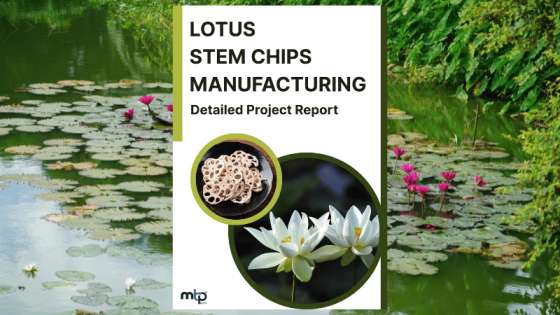
Lotus stem, commonly known as Kamal Kakdi, is an edible aquatic vegetable obtained from the rhizome of the lotus plant (Nelumbo nucifera). It is widely consumed in fresh and processed forms due to its crisp texture, dietary fiber content, and nutritional value. Processed lotus stem products—such as sliced, dried, frozen, pickled, and snack formats—are increasingly gaining popularity in modern food markets as healthy, plant-based food alternatives.
Lotus stem is rich in dietary fiber, vitamin C, potassium, iron, and antioxidants, making it suitable for health-focused food products. In processed form, lotus stem is used in ready-to-cook vegetables, dehydrated ingredients, traditional snacks, fasting foods, and premium ethnic food products. Its naturally gluten-free and low-fat characteristics support its adoption in wellness-oriented and clean-label food segments.
The rising demand for traditional foods in convenient formats, growth of healthy snacking, and increasing acceptance of plant-based diets have significantly contributed to the growing demand for lotus stem processing. India has a natural advantage due to availability of lotus cultivation in states such as Uttar Pradesh, Bihar, West Bengal, and parts of South India, along with strong domestic consumption and emerging export demand for ethnic food products.
Growth Drivers
- Increasing demand for healthy and plant-based food products
- Rising popularity of traditional foods in processed and ready-to-eat formats
- Growth of ethnic snacks and fasting food segments
- Expansion of organized food processing and cold-chain infrastructure
- Rising urban consumption and e-commerce penetration
Market Size & Outlook
Global Market:
The global Lotus Root Chips market size was valued at $423 million in 2024, and is forecasted to hit $1.12 billion by 2033, growing at a robust CAGR of 11.2%., driven by demand for nutritious and convenient food products. Lotus stem products form a niche but rapidly growing segment within this category.
The project reports provide detailed insights into:
- Industrial overview and market feasibility
- Technical and processing feasibility
- Legal and regulatory requirements
- Sales feasibility and market positioning
- Infrastructure and operational planning
These reports offer a comprehensive feasibility analysis along with suitable business models and structured implementation plans.
Is lotus stem processing a viable business?
Yes. The business benefits from growing demand for healthy, ethnic, and plant-based food products with applications across fresh, processed, and snack food segments.
What are the major end-use products?
Fresh-cut lotus stem, dried slices, frozen lotus stem, lotus stem chips, pickles, and ready-to-cook products.
Are bank loans and funding options available?
Yes. The project reports are bank-ready and suitable for MSME loans, food processing finance, and agri-based funding schemes.
What approvals are required?
Food processing units require FSSAI registration, pollution control clearance, factory registration, and standard food safety compliance approvals.