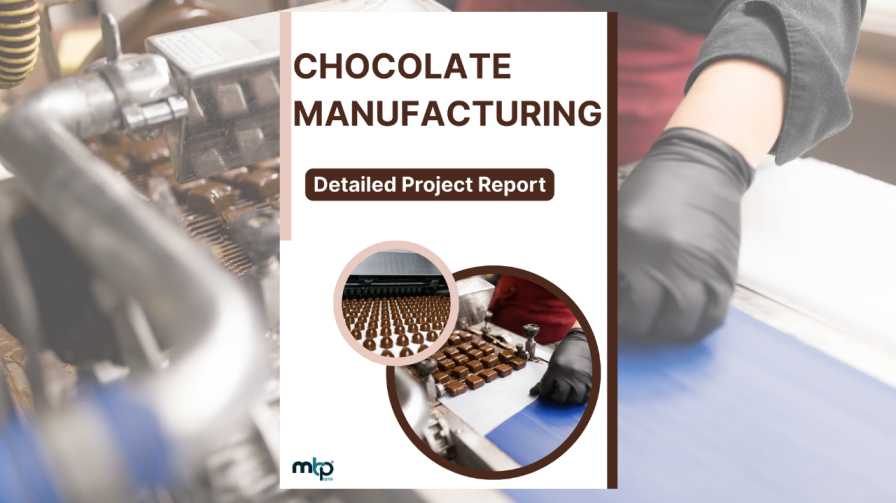
Chocolate manufacturing refers to the industrial processing of cocoa beans into a stable, shelf-ready confectionery product through roasting, grinding, conching, and tempering. This segment represents one of the most recognizable and consistently demanded categories within the global food industry, spanning mass-market milk chocolate to premium dark and single-origin formats. Chocolate manufacturing combines agricultural raw material processing with precision thermal engineering to achieve the characteristic snap, gloss, and mouthfeel that define product quality.
Chocolate is manufactured through bean cleaning, roasting, winnowing, grinding into cocoa liquor, mixing with sugar and milk solids, conching, precise tempering to stabilize cocoa butter crystal structure, moulding or enrobing, cooling, and automated wrapping. Advanced facilities use continuous conches, automated tempering machines, and high-speed moulding lines to ensure batch-to-batch consistency in texture, gloss, and shelf stability.
Chocolate products can be broadly classified by type and format. By type, the category includes milk chocolate, dark chocolate, white chocolate, and compound chocolate (using vegetable fat in place of cocoa butter for cost efficiency). By format, products range from moulded bars and tablets to enrobed confections, chips, and coatings used by bakery and ice-cream manufacturers. By positioning, the segment spans mass-market, premium, and artisanal, bean-to-bar offerings.
Growth Drivers
- Rising disposable incomes and urbanization expanding the consumer base
- Growing premiumization and demand for high-cocoa-content dark chocolate
- Cultural integration of chocolate into festivals, gifting, and celebrations
- Expansion of online retail and quick-commerce chocolate sales
- Rising interest in sugar-reduced, functional, and plant-based chocolate formats
Market Size & Outlook
Global Market:
- The global chocolate market size was valued at USD 171.6 Billion in 2025. Looking forward, the market to reach USD 218.6 Billion by 2034, exhibiting a CAGR of 2.65% during 2026-2034.
- North America currently dominates the market, holding a significant market share of over 48.4% in 2025.
India Market:
The Indian chocolate market reached Rs. 25,245 crore (US$ 2.9 billion) in 2024 and is projected to hit Rs. 47,878 crore (US$ 5.5 billion) by 2033, growing at a CAGR of 7.30% from 2025-2033.
The project reports provide detailed insights into:
- Industrial overview and market feasibility
- Technical and manufacturing feasibility
- Facility and equipment planning
- Regulatory approvals and quality compliance
- Sales feasibility and domestic/export market positioning
- Infrastructure, utilities, and operational planning
These reports offer a comprehensive feasibility analysis along with suitable business models and structured implementation plans.
Is chocolate manufacturing profitable?
Yes. Strong gifting demand, premiumization trends, and recurring snacking consumption make this a high-margin and sustainable business.
What are the major end-use sectors?
Retail households, gifting and institutional buyers, bakery and ice-cream manufacturers, and export markets.
Are bank loans and funding options available?
Yes. The project reports are structured to support MSME loans, term loans, and investor funding proposals.
What approvals are required?
FSSAI licensing, HACCP-based food safety certification, and compliance with labeling and packaging norms are mandatory.