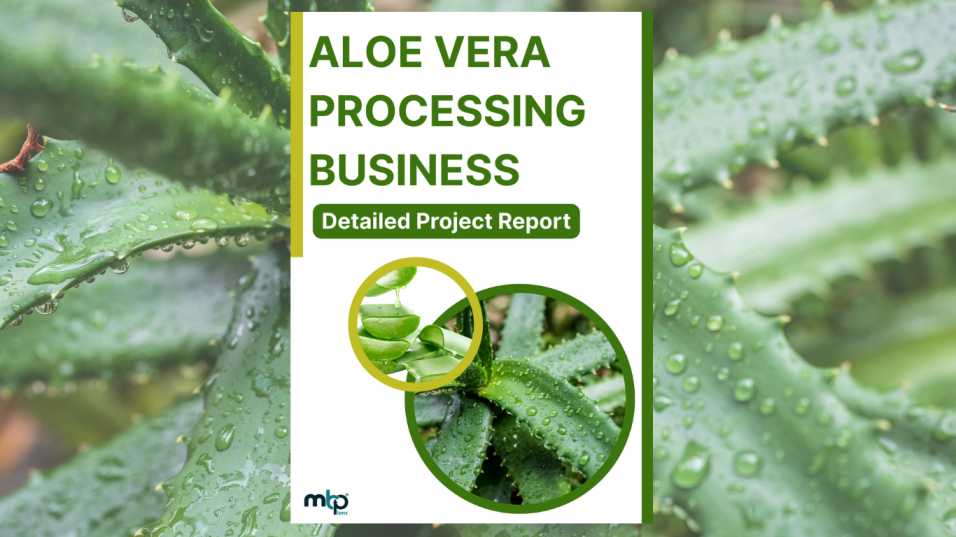
Aloe vera processing refers to the industrial conversion of fresh aloe vera leaves into stabilized gel, liquid concentrate, and powder extracts used across cosmetics, pharmaceuticals, and functional food and beverage applications. This segment sits at the intersection of agriculture and specialty ingredient manufacturing, requiring rapid, hygienic handling to preserve the plant’s bioactive polysaccharides and vitamins from harvest through to a stabilized, shelf-ready ingredient.
Aloe vera is processed through leaf cleaning, mechanical filleting to separate the inner gel from the outer rind, grinding, filtration to remove fibrous residue, flash-pasteurization, stabilization to prevent browning, and either liquid packing or spray/freeze-drying into powder form. Advanced facilities use gentle, low-temperature processing techniques to preserve acemannan and polysaccharide content critical to product efficacy claims.
Aloe vera products can be broadly classified by extraction type and form. By extraction type, the category includes gel extract, valued for its high purity and cosmetic applications, and whole leaf extract, which retains additional compounds used in supplements and beverages. By form, products range from liquid concentrates and stabilized gels to spray-dried and freeze-dried powders used in capsules and formulated cosmetics.
Growth Drivers
- Rising global consumer preference for natural and organic personal care ingredients
- Growing scientific validation of aloe vera’s wound-healing and skin-repair properties
- Expanding functional food and beverage applications, including aloe drinks and teas
- Rising demand for standardized, certified acemannan-content extracts in export markets
- Government support for medicinal plant cultivation strengthening India’s raw material base
Market Size & Outlook
Global Market:
- The global aloe vera market size was valued at USD 941.3Million in 2025. Looking forward, the market to reach USD 1,620.6 Million by 2034, exhibiting a CAGR of 6.20% from 2026-2034.
- Thailand currently dominates the market.
India Market:
- The India aloe vera market size reached USD 9 Million in 2025. Looking forward, IMARC Group expects the market to reach USD 52.2 Million by 2034, exhibiting a growth rate (CAGR) of 5.81% during 2026-2034.
The project reports provide detailed insights into:
- Industrial overview and market feasibility
- Technical and manufacturing feasibility
- Facility and equipment planning
- Regulatory approvals and quality compliance
- Sales feasibility and domestic/export market positioning
- Infrastructure, utilities, and operational planning
These reports offer a comprehensive feasibility analysis along with suitable business models and structured implementation plans.
Is aloe vera processing profitable?
Yes. Strong and growing demand from cosmetics, pharmaceutical, and nutraceutical buyers, combined with India’s favorable cultivation conditions, makes this a sustainable and export-friendly business.
What are the major end-use sectors?
Cosmetics and personal care, pharmaceuticals, food and beverages, and nutraceutical supplements.
Are bank loans and funding options available?
Yes. The project reports are structured to support MSME loans, term loans, and investor funding proposals.
What approvals are required?
FSSAI and cosmetic manufacturing licensing, along with IASC certification for verified acemannan content, are required for premium and export-oriented operations.