Meticulous Business Plans (MBP) is a globally recognized professional business planning firm that has successfully delivered thousands of reports to clients worldwide.
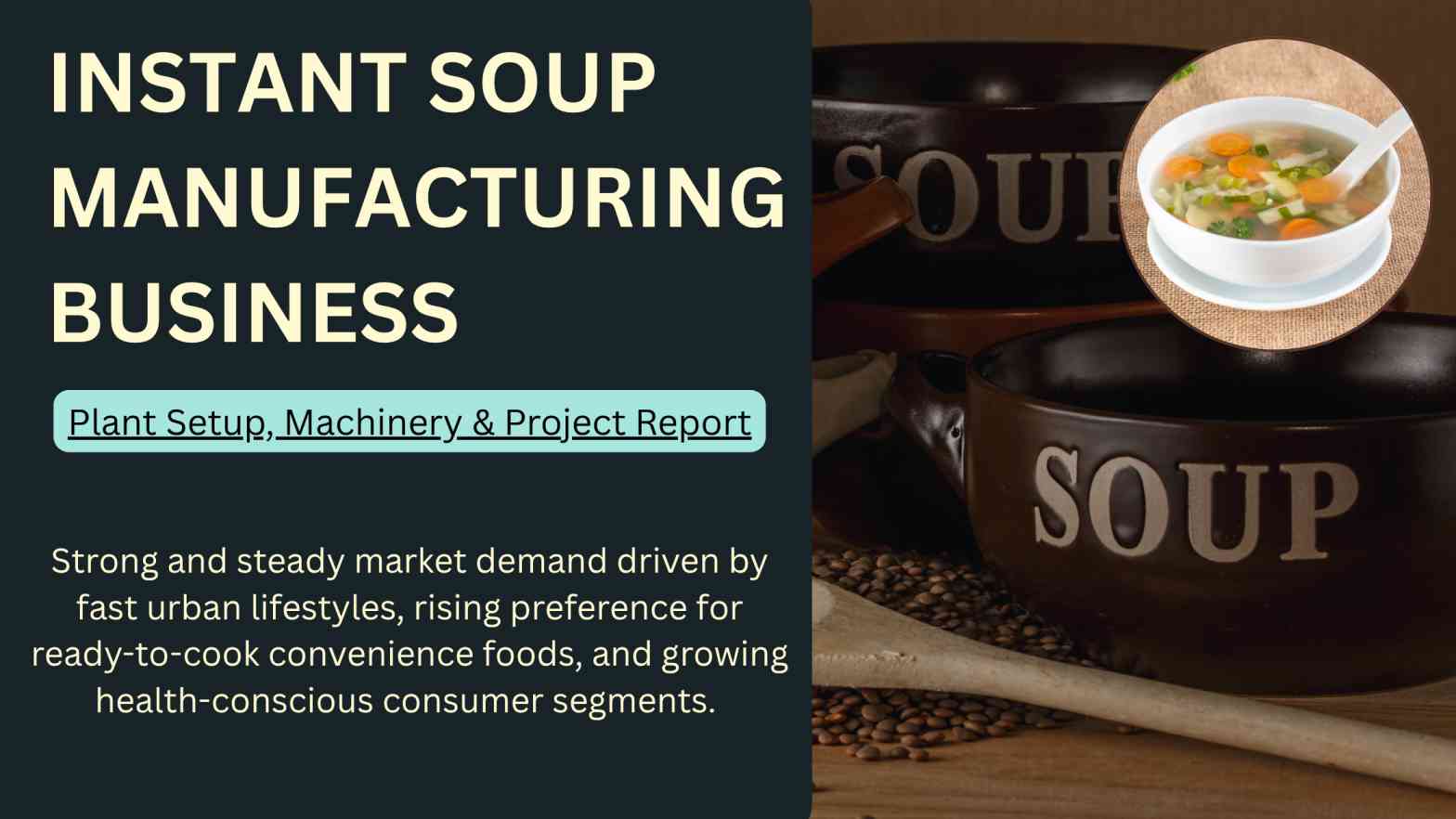
Our expert team is working on the project of setting up a Pre-Packaged Soup Manufacturing Plant, one of the most rapidly expanding segments within the ready-to-eat (RTE) and convenience food industry.
MBP experts have studied the market for awareness, demand, and supply of packaged soups, and wanted to share some helpful information about the project.
Pre-packaged soup is one of the fastest-scaling categories in the ready-to-eat (RTE) food industry. With dual-income households on the rise and consumers actively trading home-cooked meals for convenient, healthy alternatives, this is a category investors and entrepreneurs are watching closely.
Market research firms currently size the global packaged soup market anywhere between USD 16-23 billion in 2025-26, with most forecasts projecting growth to USD 30-36 billion by 2034, at CAGRs ranging from roughly 3.5% to 7% depending on the segment and region tracked. Europe currently holds the largest share of the market, while Asia-Pacific is projected to be the fastest-growing region – largely driven by urbanization and rising demand for convenience food in India, China, and Southeast Asia.
This guide breaks down what it actually takes to set up a pre-packaged soup manufacturing plant – from classification and process to investment, compliance, and emerging trends.
Pre-packaged soups can be classified based on their processing technology and packaging format:
The demand for pre-packaged soup is rising due to increasing dual-income households, demand for portion-controlled meals, and a massive shift toward plant-based, clean-label convenience foods.
Setting up a pre-packaged soup plant involves heavy industrial cooking kettles, automated vegetable sorting/dicing, homogenization, and precision sterilization. For liquid soups, the product undergoes UHT flash-pasteurization to eliminate pathogens while preserving flavor, followed by aseptic filling in a positive-pressure cleanroom. Dehydrated lines utilize continuous hot-air or freeze-drying chambers followed by high-speed powder blending.
In these reports, we have analyzed and explained the business opportunity for a Pre-Packaged Soup Manufacturing Plant. It can become a highly profitable and sustainable business if executed with proper planning, technology selection, and a strong retail market strategy.
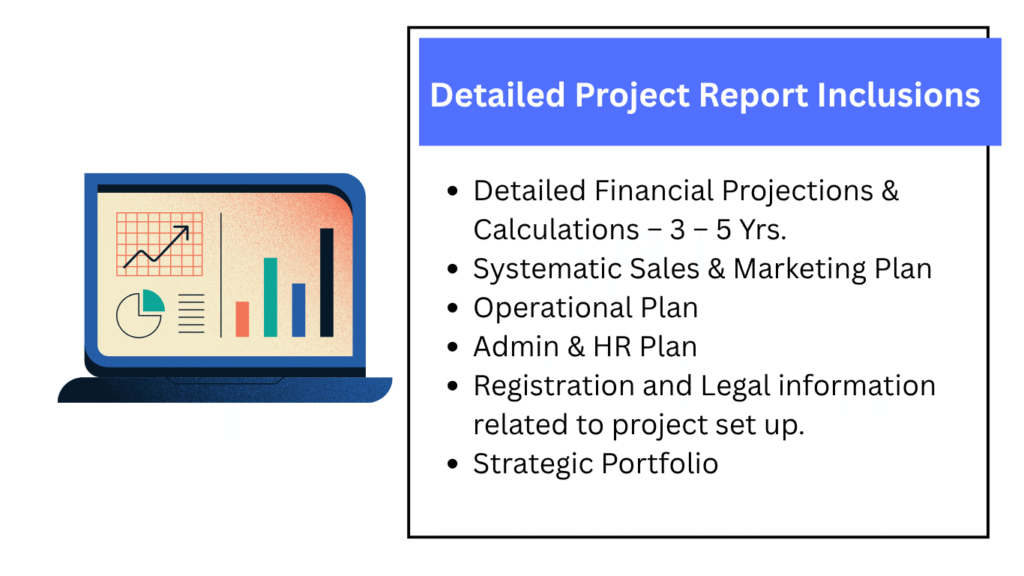
The Business Planning Reports on Pre-Packaged Soup Manufacturing will help you understand the Industrial Overview, Market Feasibility, Technical Feasibility, Legal Feasibility, Sales Feasibility, and Infrastructure Feasibility. The reports also emphasize Market Position, Demand, Market Size, Statistics, Market Dynamics, and Trends, helping you make a concrete decision to start your business.
Meticulous Business Plans (MBP) is global professional business planning company and delivered more than 5000 reports across the globe.
We have experience in working with clients from US, Europe, UK, Middle East, Africa & APAC.
Our team have fair understanding of global market across the industry & domain.
The world has become highly digitalized and information is available from multiple sources and this has created confusions about authenticity of the information and also it is not available at one place.
No. 401, Pushpak Business Hub, Wakad, Pune, MH 411057
Terms & Conditions | Privacy Policy | Cookie Policy | Disclaimer | © Meticulous Business Plan 2026
Powered by MappedSkills Marketing