₹59,000.00
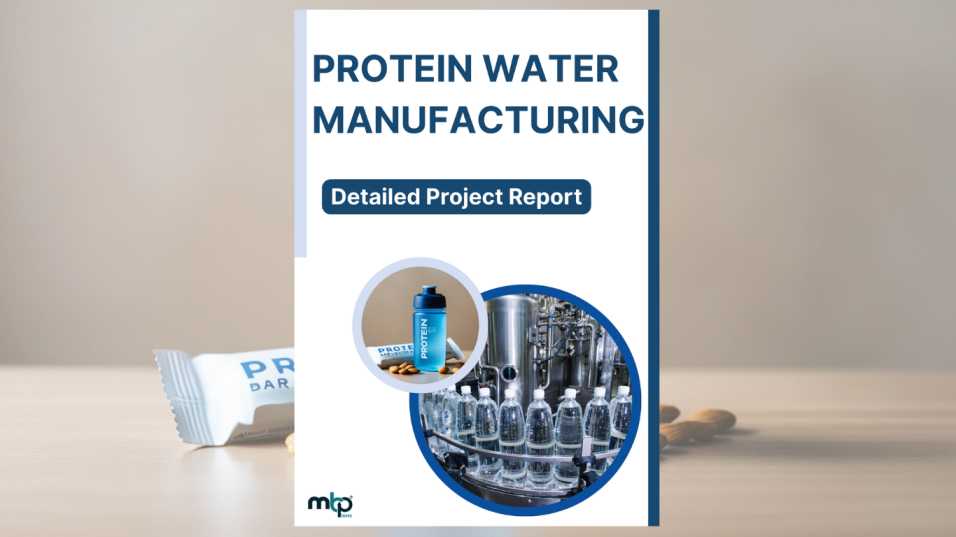
Build an Protein Water Manufacturing line with a bank-ready DPR or fund-ready Business Plan—market & pricing, material routes, process/ops design, compliance/claims guidance, and 5-year financials. Delivery: 12-15 working days
📄 Download Free Sample Report →
Protein Water Manufacturing Plant refers to the formulation and production of ready-to-drink functional beverages fortified with protein, typically designed for fitness consumers, health-conscious buyers, and people looking for a lighter alternative to traditional protein shakes. These beverages are generally made by dissolving high-quality protein ingredients such as whey protein isolate, hydrolyzed protein, or plant protein into a clear or lightly flavored water-based drink that is convenient, portable, and easy to consume.
Protein water has emerged as a modern nutrition beverage because it offers hydration along with protein intake in a low-sugar, easy-to-drink format. Unlike heavy milk-based protein shakes, protein water is usually formulated to be lighter, more refreshing, and suitable for consumers who prefer a clean-label functional drink. It is commonly positioned in the sports nutrition, wellness, and lifestyle beverage segment.
Protein water products can be broadly classified based on protein source, formulation style, and packaging format. By protein source, the product category includes whey-based protein water, plant-based protein water, collagen-fortified water, and blended protein beverages. By formulation style, it may include still protein water, flavored protein water, sparkling protein water, and electrolyte-enhanced protein water. By packaging, these products are commonly offered in PET bottles, cans, and ready-to-drink single-serve packs.
These beverages are used by gym-goers, athletes, working professionals, diet-conscious consumers, and people seeking convenient protein supplementation during the day. They are preferred because they combine hydration and nutrition in a single product, are easy to carry, and fit into the growing demand for functional beverages that support active lifestyles.
The manufacturing process typically includes water treatment, ingredient blending, protein dissolution, pH balancing, flavor addition, stabilization, filtration, pasteurization or aseptic processing, filling, sealing, labeling, and packaging. Because protein beverages can face issues such as sedimentation, flavor instability, and heat sensitivity, modern facilities use controlled processing systems, beverage blending equipment, and hygienic bottling lines to ensure product stability and quality.
Protein water products are increasingly relevant in the fitness and nutraceutical beverage market as consumers shift toward healthier beverages with lower sugar and higher functional value. India is witnessing rising demand for protein-fortified drinks, while international markets are expanding due to interest in sports nutrition, wellness beverages, and on-the-go protein formats.
Growth Drivers
Market Size & Outlook
Global Market:
India Market:
The project reports provide detailed insights into:
Is protein water manufacturing profitable?
Yes. With growing fitness awareness and demand for functional beverages, it can be a profitable and scalable business.
What are the major end-use sectors?
Fitness consumers, nutraceutical markets, retail beverage channels, gyms, wellness brands, and export markets.
Are bank loans and funding options available?
Yes. The project reports are structured to support MSME loans, term loans, and investor funding proposals.
What approvals are required?
FSSAI license, product testing, labeling compliance, and quality control approvals are generally required.
No. 401, Pushpak Business Hub, Wakad, Pune, MH 411057
Terms & Conditions | Privacy Policy | Cookie Policy | Disclaimer | © Meticulous Business Plan 2026
Powered by MappedSkills Marketing