₹59,000.00
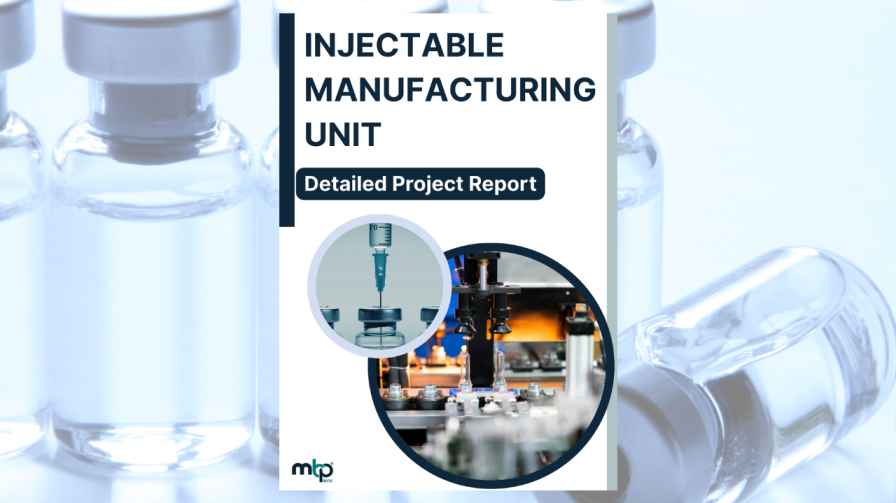
Build a Injectable Manufacturing line with a bank-ready DPR or fund-ready Business Plan—market & pricing, material routes, process/ops design, compliance/claims guidance, and 5-year financials. Delivery: 12–15 working days.
Injectable manufacturing refers to the pharmaceutical production of sterile liquid, suspension, or powder formulations that are administered directly into the body through intravenous (IV), intramuscular (IM), subcutaneous (SC), or intradermal routes. Injectable drugs are critical in modern healthcare due to their rapid onset of action, high bioavailability, and effectiveness in emergency care, critical illness, surgeries, and chronic disease management. These formulations are widely used in hospitals, clinics, and institutional healthcare settings where precise dosing and immediate therapeutic response are required.
Injectables are primarily used for antibiotics, vaccines, pain management drugs, oncology medicines, anesthesia, hormones, critical care drugs, and life-saving emergency medications. Unlike oral dosage forms, injectable products bypass the digestive system, making them essential for patients who cannot consume medicines orally or require fast-acting treatment. Due to the high-risk nature of administration, injectable manufacturing is among the most regulated segments of the pharmaceutical industry.
Injectable products can be broadly classified based on formulation type and dosage form. By formulation, injectables include liquid injectables, lyophilized (freeze-dried) powders for reconstitution, suspensions, and emulsions. By container type, products include glass ampoules, vials, pre-filled syringes, and large-volume parenterals. By therapeutic category, injectables cover antibiotics, vaccines, oncology drugs, cardiovascular drugs, analgesics, anti-inflammatory drugs, and biologicals.
The manufacturing process involves sterile raw material handling, formulation preparation, filtration, aseptic filling, sealing, sterilization (terminal or aseptic), inspection, labeling, and packaging. Advanced injectable plants use cleanrooms with controlled environments, isolator technology, HEPA filtration, automated filling lines, lyophilizers, autoclaves, and visual inspection systems. Water for Injection (WFI), clean steam, and validated HVAC systems are critical utilities. Strict compliance with Good Manufacturing Practices (GMP), sterility assurance, and validation protocols is mandatory to ensure patient safety.
Injectable products are extensively used in hospitals, critical care units, operation theaters, emergency services, vaccination programs, and specialty clinics. The growing burden of chronic diseases, increasing surgical procedures, expanding immunization coverage, and rising demand for hospital-based therapies have significantly increased injectable consumption worldwide. India plays a strategic role in injectable manufacturing due to its strong pharmaceutical infrastructure, skilled workforce, cost-efficient production, and increasing exports to regulated and semi-regulated markets.
Growth Drivers
Market Size & Outlook
Global Market:
India Market:
The injectable market in India is expected to reach a projected revenue of US$ 618.8 million by 2030. A compound annual growth rate of 15.2% is expected of India aesthetic injectable market from 2024 to 2030.
The project reports provide detailed insights into: • Industrial overview and market feasibility
These reports offer a comprehensive feasibility analysis along with suitable business models and structured implementation plans.
Is injectable manufacturing a profitable business?
Yes. Injectables offer higher margins than oral formulations due to technical complexity, regulatory barriers, and strong hospital demand.
What are the major end-use sectors?
Hospitals, clinics, vaccination programs, emergency care units, and export markets.
Are bank loans and funding options available?
Yes. The project reports are structured to support MSME loans, term loans, and institutional investor funding.
What approvals are required?
Drug manufacturing license, GMP certification, cleanroom validation, sterility testing approvals, and pollution control clearances are mandatory.
No. 401, Pushpak Business Hub, Wakad, Pune, MH 411057
Terms & Conditions | Privacy Policy | Cookie Policy | Disclaimer | © Meticulous Business Plan 2026
Powered by MappedSkills Marketing